Terroir
Why Winemakers Drive 100+ miles for Our Grapes
6 min read
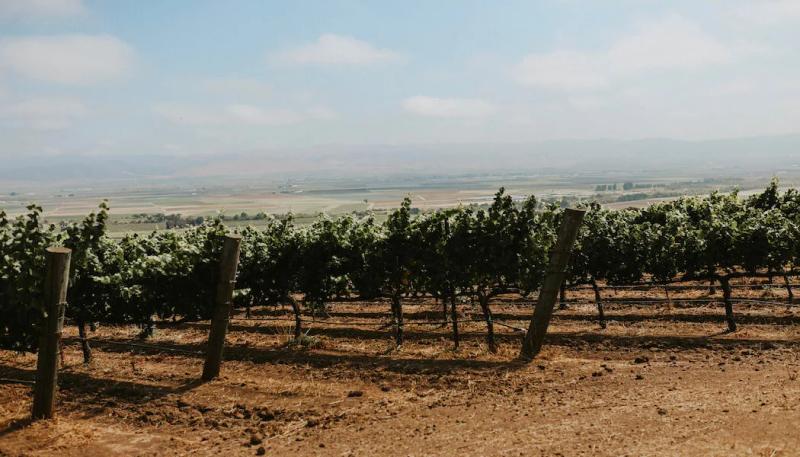
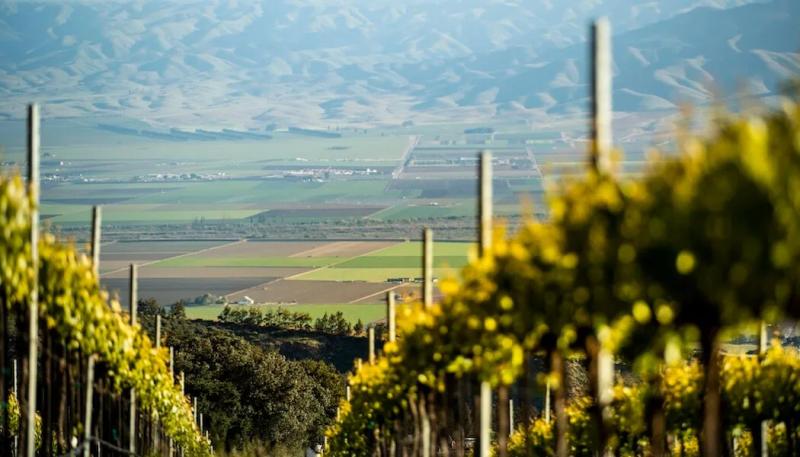
The Santa Lucia Highlands is not exactly easy place to access if you’re a winemaker in Napa or Sonoma. Bruliam Wines' Kerith Overstreet and a dozen of her winemaker friends make the 100+ mile one-way drive anyway. They’ll tell you it is worth every mile: bright acidity, concentrated fruit, and the consistency that only comes from growers who have farmed this ground for generations. Here is why they keep coming back.

I Chose the Santa Lucia Highlands
I am a Sonoma girl. I live in Sonoma County, home to acclaimed coastal, cool-climate Pinot Noir and Chardonnay. I love Sonoma County wine grapes and craft delicious Sonoma County wines. And yet, my Santa Lucia Highlands Pinot Noir epiphany launched with a bottle of Miner Family Winery's Garys' Vineyard Pinot Noir, Santa Lucia Highlands.
“Massive cherry/berry, lilac, roasted nose that you can smell across the room…serious wine…I could wear this behind my ears...a rich, mouth-coating splendor.”
With this epic, evocative description from their September 26, 2003, Wall Street Journal column, wine writers Dorothy Gaither and John Brecher turbo-charged my love affair with the Santa Lucia Highlands. I immediately bought that very bottle. The next day, I knew I had to make wine in homage to that very bottle.
The Beginning
I met legendary winegrower Gary Franscioni 16+ years ago, and his empathy and warmth remain emblematic of SLH winegrowers writ large. Authenticity and integrity are core tenets of their ethos. Good grapes meet good people.
CHEV and CIRQ's storied proprietor and winemaker, Michael Browne, shares a heartfelt and humorous retelling of his first meeting with winegrower Gary Franscioni.
“In 2005, a friend of mine, Ed Kurtzman, said you really need to talk to the Pisonis and Franscionis; they have some of the best Pinot in the land. We sat down with Gary Franscioni, and he said, ‘Yeah, we’d love to sell you some grapes; we’ll get you a little out of Rosella's and a little out of Garys’.’ He said, ‘Two things…you need to be our friends, and you need to pay your bills on time.’ That’s how it started.”

Perhaps You'd Like a Side of Romaine With Those Grapes?
Raise your hand if you're a winemaker who has received grapes from the Santa Lucia Highlands “padded” with a few heads of romaine or perhaps a cauliflower or two “decorating” your bin? Sharing what they grow is embedded in the DNA of these farmers.
But don't trust my account. Dan Kosta, winemaker and founder of Convene by Dan Kosta and Grail by Dan Kosta, will vouch for me. Dan recounts:
“The first time I actually spent time down in the Santa Lucia Highlands [I realized] it is literally right next to all of these vegetable farms, and it’s really about all the grapes. These are true farmers down there, and it’s kind of off the beaten path. Beautiful mountains in the backdrop, Carmel Valley in the back, and you keep going, and you have Big Sur. A beautiful, beautiful area.”

Authentic Hearts and Authentic Humor
Multi-generational vegetable farmer and winegrower extraordinaire Mark Pisoni is always game to be silly with me. Mark does not have a social media handle; he doesn't even use Instagram (truly!). And yet, whenever I ask him to film an Instagram Reel with me, he concedes. And he's good. Like he understands the assignment. So does Adam Lee.


Ask Adam
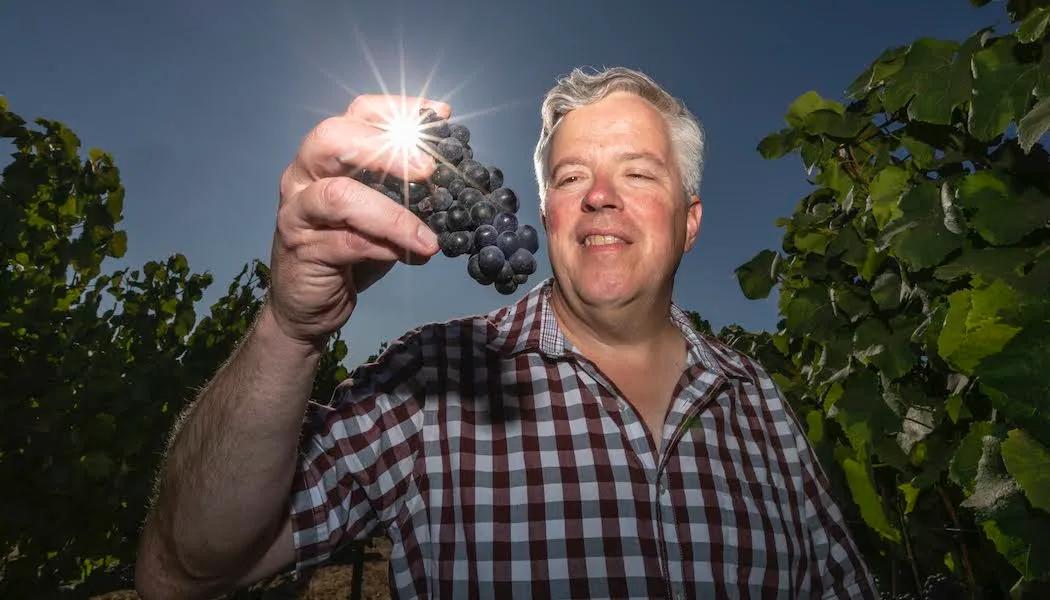
When I asked 30+ year industry veteran Adam Lee of Clarice Wine Company why he chooses the Santa Lucia Highlands, I listened closely. He’s been making wines from the SLH since the 1990s.
“Why do I travel 160 miles to source Pinot Noir from the Santa Lucia Highlands? It certainly isn’t for the pleasure of navigating East Bay traffic on I-880 at five in the morning. Nor am I drawn south by the expensive gas, moderately clean bathrooms, and limited wine selection at the Cochrane Road Chevron,” he said. “I make the trip for one reason: the Santa Lucia Highlands produces some of the finest Pinot Noir grapes in California.”
Every Winemaker Echoes this Sentiment
“Forty under 40” star winemaker Morét-Brealynn of Morét-Brealynn Wines concurs.
“I’ve never been a morning person. I like to stay up late and sleep in; that’s my preferred way to start the day. But to get from Sonoma County to the Santa Lucia Highlands and beat Bay Area traffic, we have to be in the car at 4 a.m….Working with fruit from here goes against just about everything my body clock tells me I should be doing.
But then, I walk through these vineyards. I see the passion and knowledge the farmers bring to growing this fruit. Suddenly, that 4 a.m. alarm feels like a pretty small price to pay.”
Chris Jones, winemaker at Claudio Family Cellars, explains, “From my experience, fruit from the Santa Lucia Highlands has a brightness of flavor at the front of the palate, but then transitions into an incredibly expansive mouthfeel and great finish.”
Nuts & Bolts & Vine Science
This region is extraordinary terroir for Santa Lucia Highlands Pinot Noir. Let's talk about the Monterey Bay, also called the “Blue Grand Canyon,” and the ways the fierce afternoon winds affect grape phenology to limit evapotranspiration.
Uh, Translation Please
I dig plant science, but you probably just want to know firsthand why winemakers are cultishly devoted to SLH winegrapes. Kosta Browne's Director of Winemaking, Julien Howsepian, translates wine phenology into a delicious pour. As he explains it:
SLH Pinot Noir “holds on to acidity really well, and each vineyard that we work with – Rosella's, Soberanes, Sierra Mar, to Pisoni – has a consistent, year-to-year pattern of ripening. All of that is due to the proximity of Monterey Bay and the proximity of the fog.”
Ah-ha, it’s the terroir, stupid!
The Santa Lucia Highlands' Signature Personality
Adam Lee reminds us that, “The region possesses a rare combination of advantages. It is home to some of the world’s most talented and dedicated grape growers. Its location near the California coast channels powerful afternoon winds into the vineyards, cooling the vines and extending the growing season. Those long, steady ripening periods allow Pinot Noir to develop remarkable flavor, structure, and complexity. At the same time, the region’s relative protection from early autumn rains often permits growers and winemakers to harvest patiently and without interruption.”
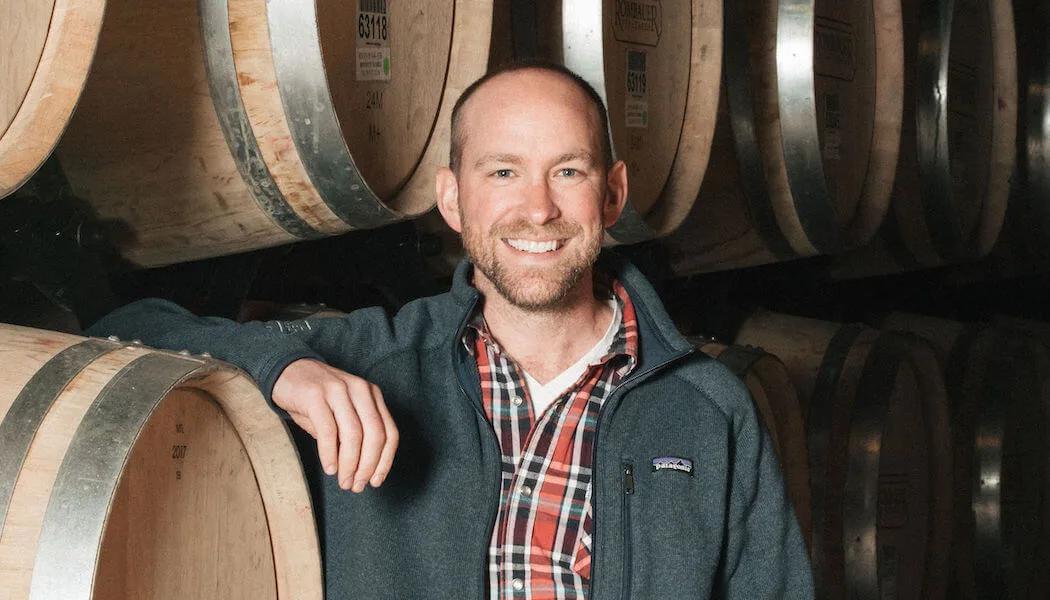
Rombauer Vineyards Senior Director of Winemaking and Viticulture Richie Allen agrees. “The Pinot is so special. Santa Lucia Highlands has this really special intensity, almost like a crushed cranberry, with bright acidity that just sings on the palate. It has a zing to it that awakens the palate that you don’t get in Carneros, you don’t get in Russian River, you don’t get in Oregon,” he says.
“It’s the intensity with this flavor, with this acidity that makes your mouth water, that makes the wine so exciting.” So, is your mouth watering yet?


They Make Exceptional Wine
Morét sums up our attachment to SLH beautifully.
“There are easier places for me to source grapes. There are certainly closer ones. But I don’t choose vineyards because they’re convenient. I choose them because I believe they can make exceptional wine. And that’s why I choose to work with fruit from the Santa Lucia Highlands,” she says.
Morét speaks for all of us, and so does every glass of Santa Lucia Highlands Pinot Noir we pour.
Kerith Overstreet is the winemaker and founder of Bruliam Wines in Healdsburg, California. She left a career in medicine to study enology at UC Davis. She founded Bruliam in 2008 with a single barrel of Pinot Noir. The winery now produces roughly 1,200 cases a year, sourced from Sonoma County, her own Torrey Hill Vineyard, and grapes grown in the Santa Lucia Highlands.
Visit and try more Santa Lucia Highlands Wines with the Monterey Pour Pass.
Explore Our Region
More to Discover

Festival
Tides & Terroir
Travel Tips
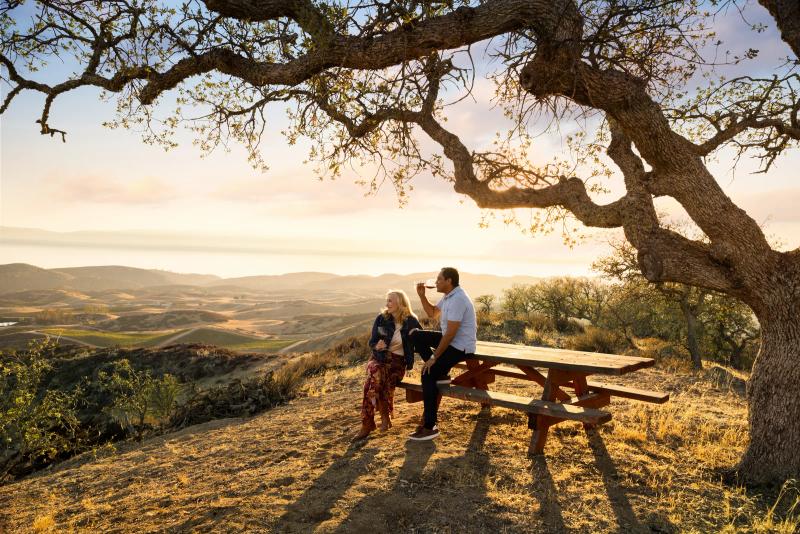
Unique things to do in Monterey County
Outdoorsy itinerary for active travelers and wine lovers in Monterey County.
Land & Farming
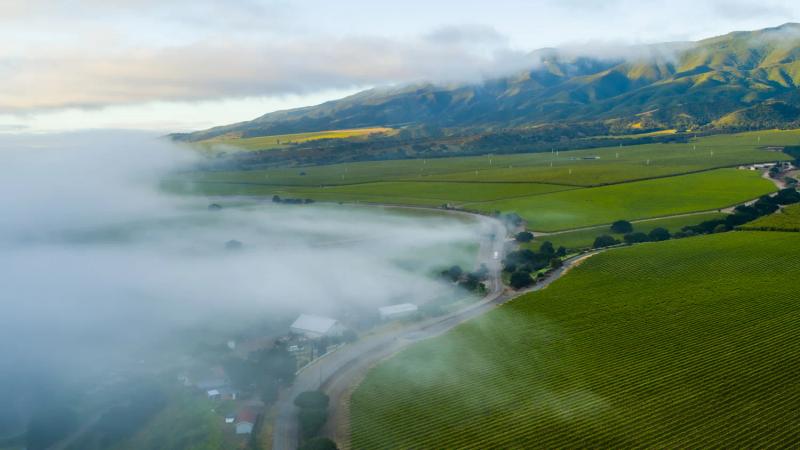
Why Santa Lucia Highlands Wines Are So Balanced
Ask a winemaker what they want most from a growing region and the answer is usually the same: a long, even season that lets the fruit ripen fully without giving up its acidity. In the Santa Lucia Highlands, that's not an aspiration. It's the climate. Wind, fog, granite soils, and a growing season that stretches well into fall combine to produce Pinot Noir and Chardonnay with a signature the appellation has built its reputation on — richness and freshness in the same glass, year after year.