About Santa Lucia Highlands
Vineyard Sustainability, Stewardship & Community
The land here has been farmed for over a century. The people who farm it intend for that to continue.
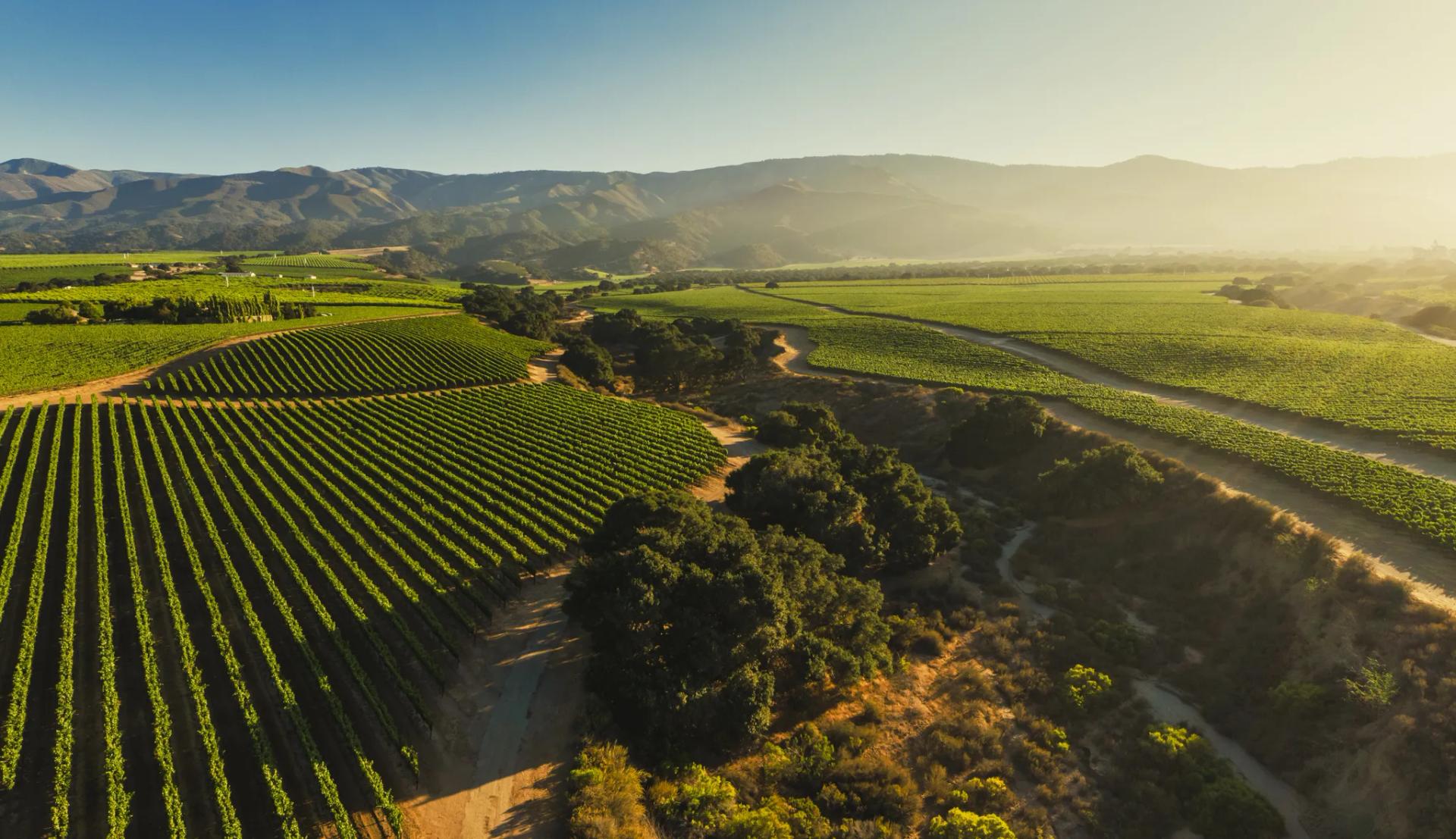
Before the Santa Lucia Highlands was a wine region, it was farmland. For many of the families here, it still is, in the deepest sense. Spanish missionaries planted the first wine grapes, but for a century this was dairy and vegetable country. Swiss-Italian immigrants arrived in the Salinas Valley in the early 1900s and raised dairy cows and row crops for decades before future generations recognized what their land's rocky soils and persistent fog and wind could do for ultra-premium wine. When these families plant a new vineyard together with an eye on sustainability, they describe it as the continuation of something their ancestors have done in this valley for over one hundred years.
That timeline changes how a person farms. Our pioneers believe that generational family farming is the ultimate long game, with a deep focus on the future, on preserving the land and taking care of the people who work it. The Santa Lucia Highlands Wine Artisans are all farmers, and the region's strength is its multi-generational families. The wine is the visible part. Keeping the land sustainable and viable for the next generation to steward it is the underlying goal.
What Vineyard Sustainability Looks Like Here
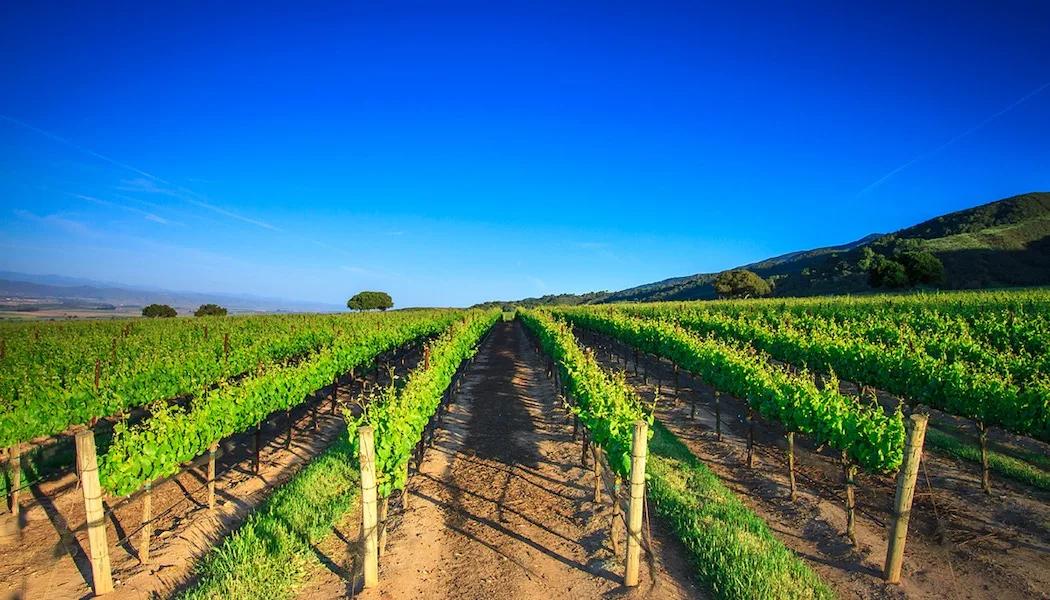
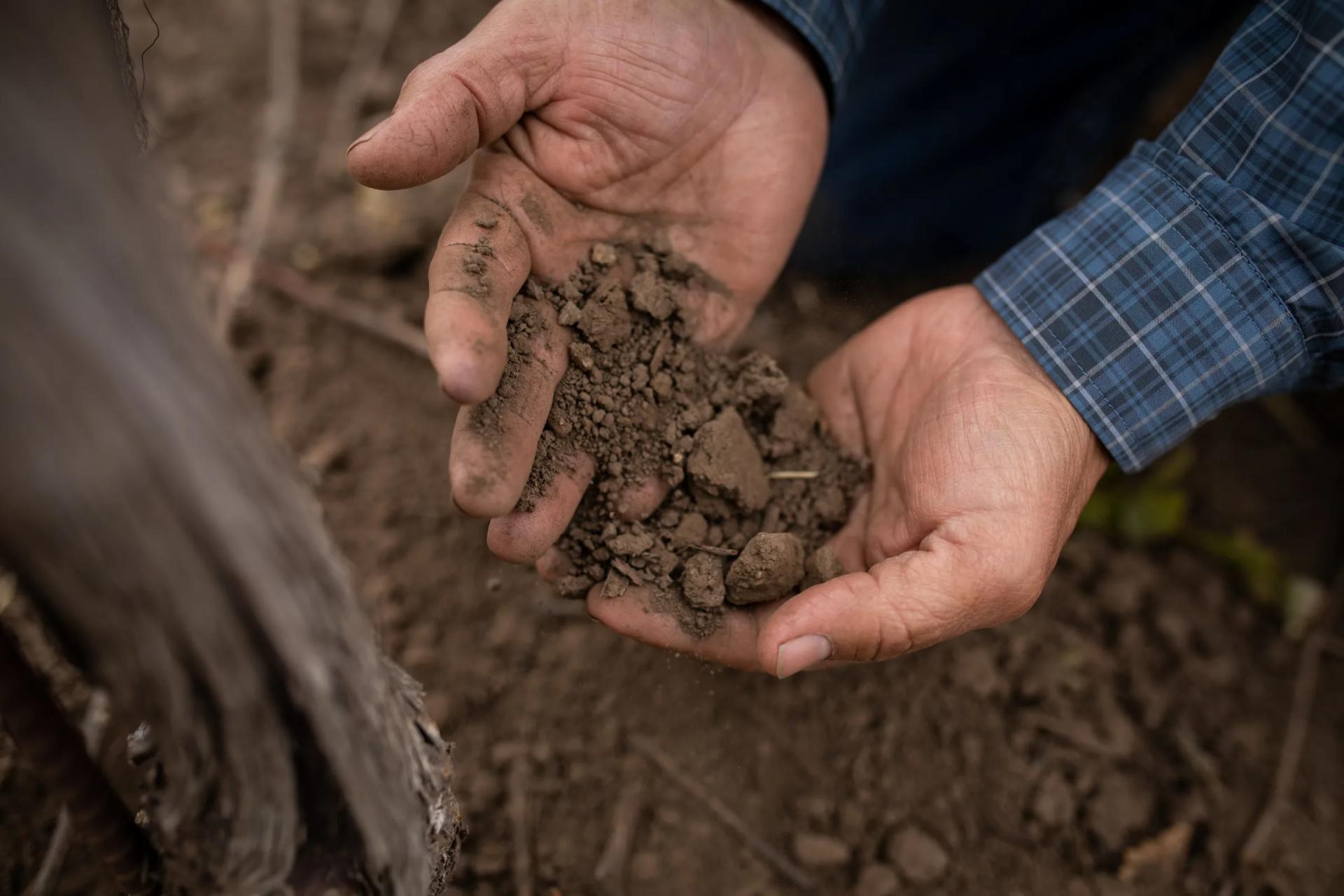
Stewardship in the Santa Lucia Highlands AVA is less a program than a habit — the daily, unglamorous work of leaving the ground better than you found it. It shows up in the details. At Pisoni, an on-site insectary planted entirely with native species draws parasitic wasps, hoverflies, and ladybugs that keep pests in check without spraying.
At McIntyre, that means regenerative farming, biochar worked into the soil to sequester carbon and build fertility, owl boxes, restored ravines left wild for habitat, and milkweed planted for monarchs. At Talbott, it is cover crops and a four-row tractor that cuts the number of passes through the vineyard — fewer emissions, less soil compaction — improvements one winemaker there describes as generationally minded, not quick fixes. At Scheid, the same wind that shapes the fruit runs the winery: a 400-foot wind turbine generates all the power for their winemaking and bottling, plus feeds surplus to roughly 125 local homes.
Growers follow a range of vineyard sustainability programs, such as Sip Certified or California Sustainable Winegrowing Alliance’s Certified California Sustainable Winegrowing, because they know the land will outlast them. They build soil they won't see mature, plant habitats that pay off in decades, and choose the slower, more impactful options because their name is on the ranch. And their children's will be too.
Community
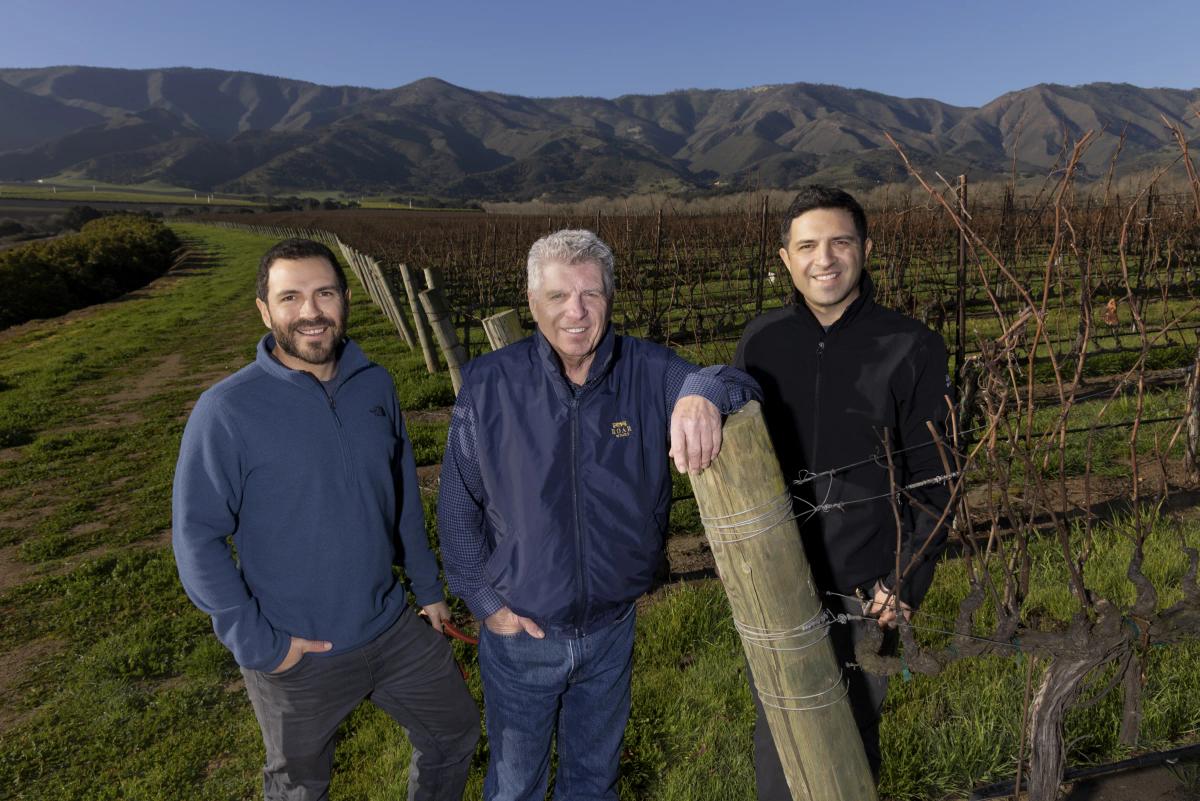
A region farmed by the same families for generations is, by definition, a community before it is an industry. Garys' Vineyard — now considered one of the most acclaimed sites in Monterey County — began as a handshake between two men whose parents were friends and who grew up farming alongside each other. That partnership has since passed to their four sons, the farming legacy carried into the next generation. The Santa Lucia Highlands Wine Artisans exist to extend that same spirit outward by sharing knowledge between growers, raising the whole appellation rather than any single label, and keeping the people who work this land at the center of the story.
Learn More About Our Work
Read the journal for the latest stories on sustainability efforts, community partnerships, and the people behind them.
More to Discover
Terroir
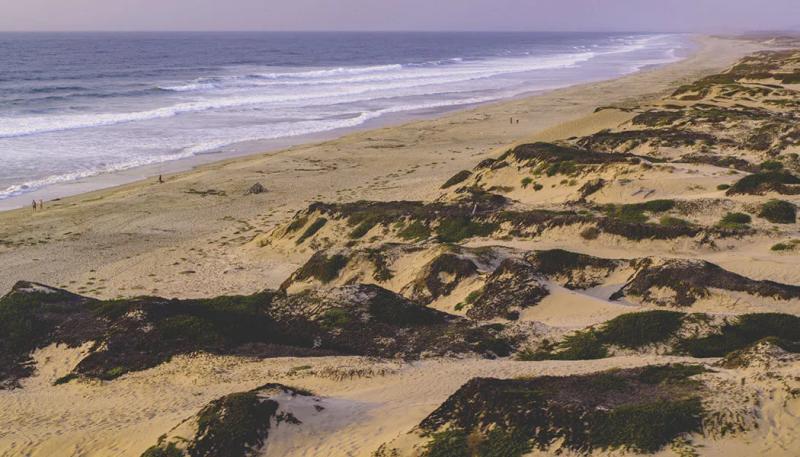
The Wind
The daily winds of Santa Lucia Highlands, which can range from 10-15 miles per hour, with some gusts up to 20 miles per hour, are as important to the character of its wines as the ground the vines...
Terroir
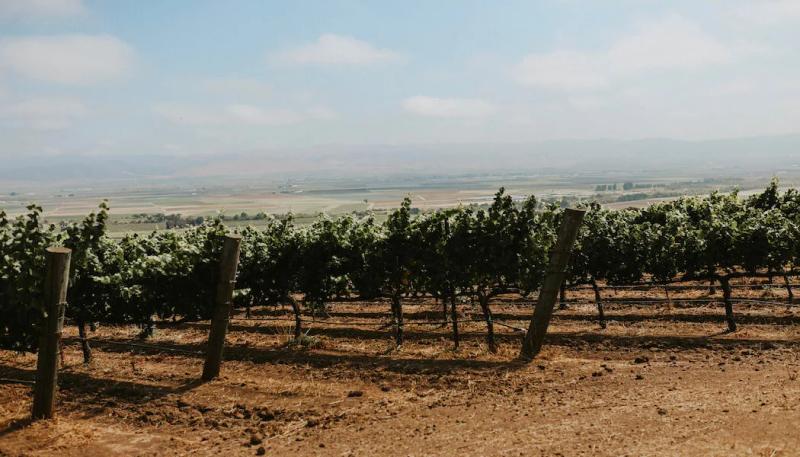
Unlock the Magic of the Santa Lucia Highlands
California boasts a stunning array of wine regions, each with its own charm and signature flavors. But for those seeking a place where breathtaking scenery meets world-class wines, the Santa Lucia...
Terroir
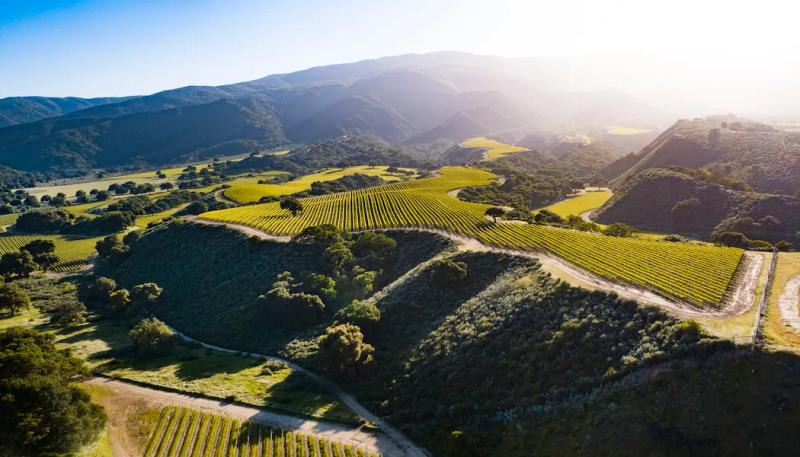
Measuring Up
Compact and well-defined, the Santa Lucia Highlands wine growing appellation measures just 18 miles long— only one mile wide at its most narrow point and barely three-miles at its widest part.